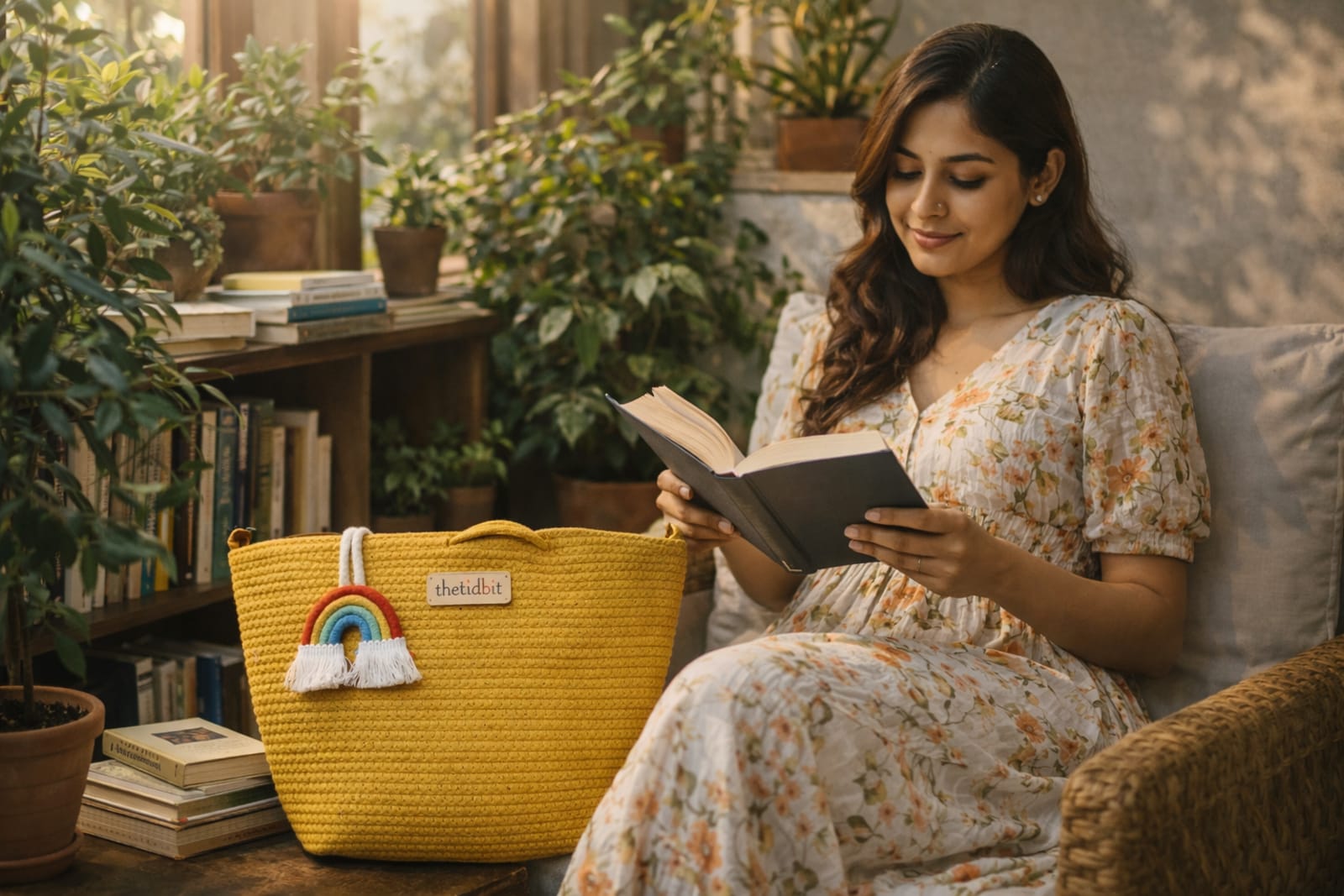
The Quiet Rise of Sustainable Fashion in Indian Homes
Radha Krishnan
Culture Writer
It started, as these things often do, with a conversation. My neighbor Kavitha was telling me about her daughter's new interest in sustainable fashion. "She won't buy anything fast fashion anymore," Kavitha said, half confused, half proud. "She says it doesn't align with her values."
I nodded, thinking about my own closet. Full of things I barely wore. Things I bought because they were cheap, or trendy, or because I thought I needed them. Things that now sit there, unworn, unloved, taking up space.
Kavitha's daughter isn't alone. Across Indian homes, a quiet shift is happening. Young women, working women, mothers—they're all starting to ask the same questions. Where did this come from? Who made it? How long will it last? Is it worth it?
The answers are leading them to make different choices. Not always easy choices. Not always cheap choices. But choices that feel right. Choices that align with who they want to be.
I decided to explore this more. I talked to women across different cities, different ages, different backgrounds. And I found something surprising: the movement toward sustainable fashion isn't just about the environment. It's about something deeper.
For many Indian women, sustainable fashion feels like coming home. Like returning to the values their grandmothers lived by. The idea that things should last. That quality matters. That caring for what you own is important.
My grandmother had a jute bag that she used for decades. It wasn't fancy. It wasn't branded. But it was well-made, and she took care of it, and it served her faithfully year after year. That same bag now sits in my mother's closet, still in use, still loved.
Compare that to my experience with fast fashion. Bags that fall apart after a few months. Clothes that fade, stretch, or tear after a few washes. Things that are designed to be replaced, not repaired. Things that are made to break.
The shift toward sustainable fashion is, in many ways, a return to that older wisdom. The wisdom of buying less, but buying better. Of choosing quality over quantity. Of valuing things that last.
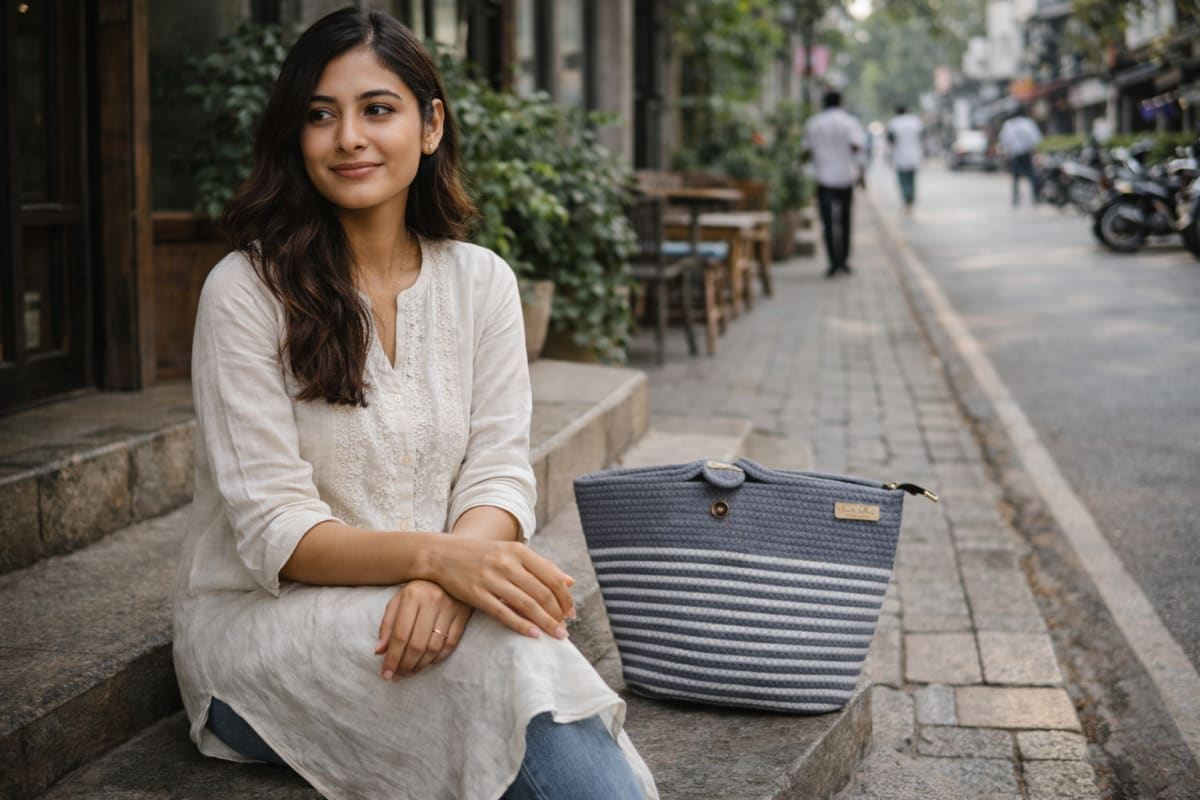
But it's also something new. Because while our grandmothers made these choices out of necessity or tradition, we're making them out of awareness. We know about the environmental cost of fast fashion. We know about the human cost. And we're choosing differently.
The awareness is everywhere now. Documentaries about the fashion industry. Articles about waste. Conversations about climate change. Women are connecting the dots between their choices and the impact they have.
But here's what's interesting: the shift isn't just intellectual. It's emotional. Women aren't just choosing sustainable fashion because they should. They're choosing it because it feels good.
There's something satisfying about owning fewer things, but better things. About knowing where your clothes came from. About supporting artisans and craftspeople instead of giant corporations. About making choices that align with your values.
I talked to Meera, a software engineer in Bangalore, about this. "When I buy something sustainable, I feel good about it," she told me. "Not just because it's good for the environment, but because I know I'm supporting someone. I'm making a choice that feels right."
That feeling of rightness is powerful. It's different from the temporary high of a shopping spree. It's deeper, more lasting. It's the satisfaction of knowing you're making choices that matter.
But sustainable fashion in India isn't just about buying differently. It's also about rediscovering what we already have. The rich traditions of handloom, of embroidery, of natural fabrics. The crafts that have been passed down through generations.
My friend Anjali started her sustainable fashion journey by rediscovering her mother's handloom sarees. "I had never really appreciated them," she said. "But when I started learning about sustainable fashion, I realized—we've had this all along. We just forgot."
India has always had sustainable fashion. We just called it something else. We called it handloom. We called it khadi. We called it tradition. And now, a new generation is discovering these traditions with fresh eyes.
But it's not just about traditional clothes. It's about applying those principles—quality, craftsmanship, sustainability—to modern pieces. To bags and accessories. To everyday wear. To the things we use every day.
The rise of sustainable fashion in Indian homes is happening quietly, steadily. It's happening in small choices. In conversations between mothers and daughters. In the decision to buy one good thing instead of five cheap ones. In the choice to support artisans, not just brands.
It's happening in the recognition that fashion can be both beautiful and meaningful. That our choices matter. That we can dress well while doing good.
The future of fashion in India isn't about rejecting style. It's about redefining it. It's about style that lasts. Style that matters. Style that aligns with our values.
As more and more Indian women make these choices, as more conversations happen, as more awareness grows, the movement will only get stronger. And that's exactly what we need.
Because here's the thing: sustainable fashion isn't a trend. It's a return to sanity. A return to quality. A return to the idea that the things we own should be things we love, things that last, things that matter.
In Indian homes across the country, women are leading this quiet revolution. One thoughtful choice at a time. One conversation at a time. One purchase at a time.
And honestly? It's beautiful to watch.
Love the story? Explore TheTidbit’s signature handmade jute bags — each crafted with the same care.
More Stories

The Future of Corporate Merchandise: Why Top Brands are Switching to Sustainable Jute Bags
Looking for premium, eco-friendly corporate gifting in Bangalore or across India? Get customized, handcrafted bulk jute bags with your company branding.
5 Aesthetic Office Tote Bags That Will Survive Your Daily Metro Commute
Looking for durable, aesthetic office tote bags in Delhi-NCR, Mumbai, or Pune? Discover handcrafted, spacious jute tote bags with rope handles perfect for work.

College Fashion on a Budget: 5 Trendy Sling Bags Under ₹500
Looking for the perfect college bags for girls in Delhi-NCR, Lucknow, or Mumbai? Check out these trendy, affordable, handcrafted jute sling bags under ₹500.