From Rural Hands to Urban Hearts: The Journey of a Handmade Bag
TheTidbit Team
Storytellers
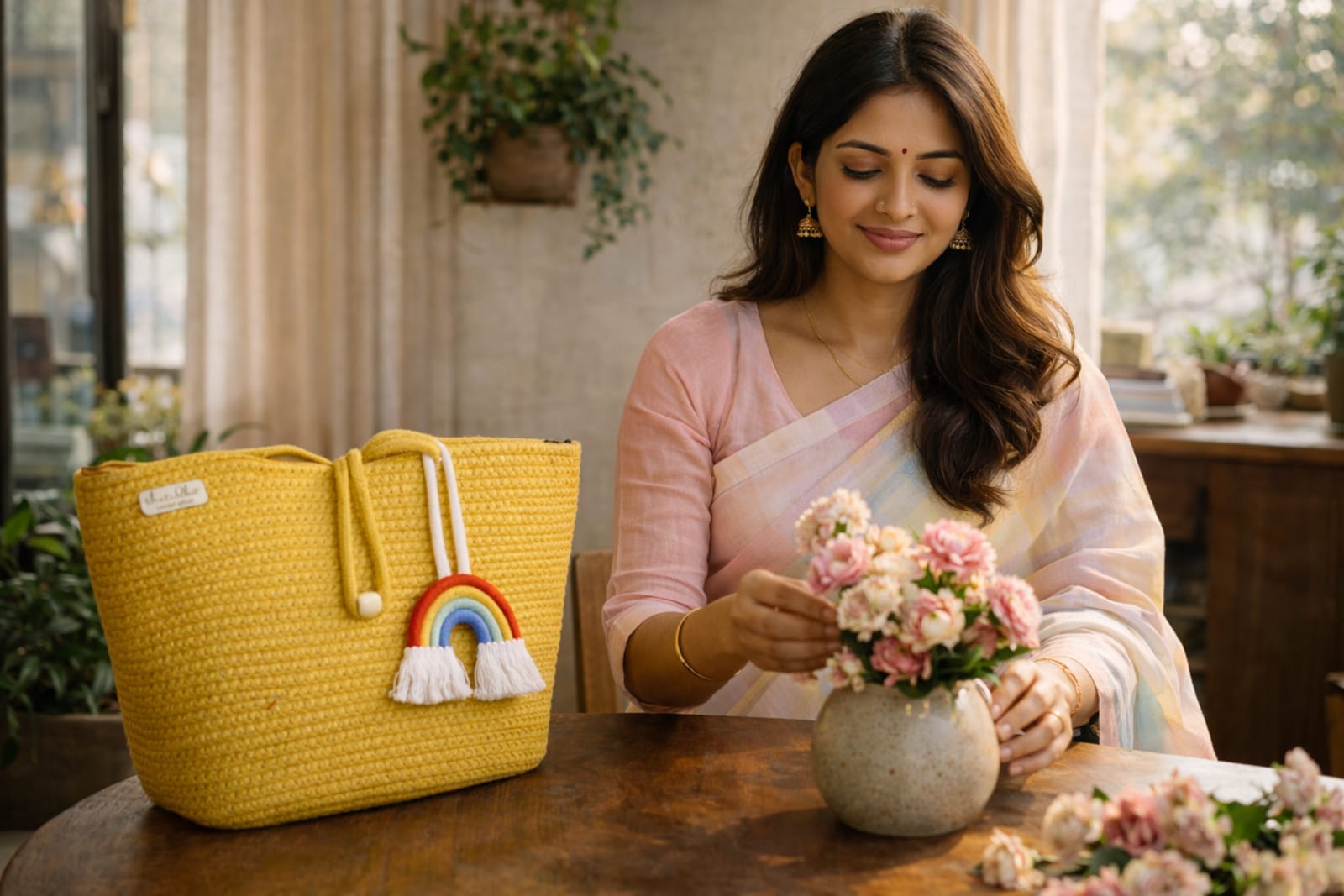
In a small village in West Bengal, in a room that's part home, part workshop, Lakshmi sits with a piece of jute fabric in her hands. The morning light streams through the window, catching the golden fibers. She's been doing this for thirty years. Her mother did it before her. Her grandmother before that.
This is where the journey begins.
Lakshmi carefully selects threads for embroidery. Reds, blues, greens, pinks—colors that will tell a story. She doesn't rush. There's no production line here. No machines stamping out identical pieces. Just hands, skill, time.
She starts with the base—pure jute, sourced from local farmers. It's rougher than synthetic fabrics, but that's part of its beauty. It has texture. Character. It feels real. Like it came from the earth, which it did.
The embroidery takes the longest. Sometimes hours. Sometimes days. Depends on the pattern, the complexity, the care. Every stitch is intentional. Every thread placed with purpose. There are no shortcuts. No corners cut. Just craft.
While Lakshmi works, she talks. About her children, her hopes for them, her pride in her work. "This is what I do," she says simply. "I make beautiful things. And people who appreciate beauty, they find me."
When the bag is finished, when every thread is in place, when Lakshmi is satisfied it's perfect, it begins its journey. From her hands, to a small collection center, to a larger workshop where it's checked, packed, prepared.
But the journey doesn't end there. In fact, in some ways, it's just beginning.
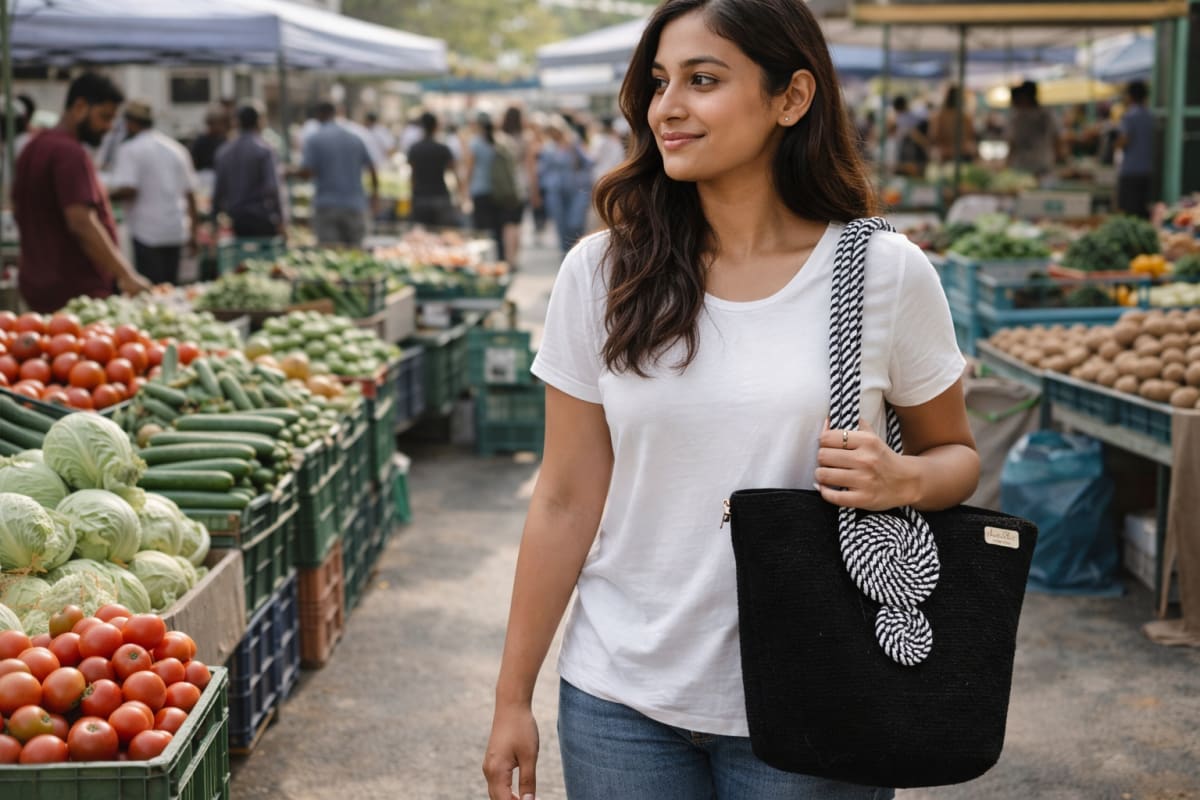
The bag travels from rural workshop to urban showroom. From traditional craft to modern life. It bridges two worlds—the one where it was made, slow and careful, and the one where it will be used, fast and busy.
In a small apartment in Mumbai, Nisha opens a package. Inside, wrapped carefully, is the bag Lakshmi made. Nisha runs her fingers over the embroidery, feeling the texture, the care, the skill. She can't help but wonder about the hands that made it.
For Nisha, this isn't just a bag. It's a choice. A conscious decision to support craftsmanship, to honor tradition, to choose quality over convenience. She's been buying fast fashion for years, but something shifted. She wanted more.
"I wanted something real," Nisha tells me. "Something made by a person, not a machine. Something that would last. Something that meant something."
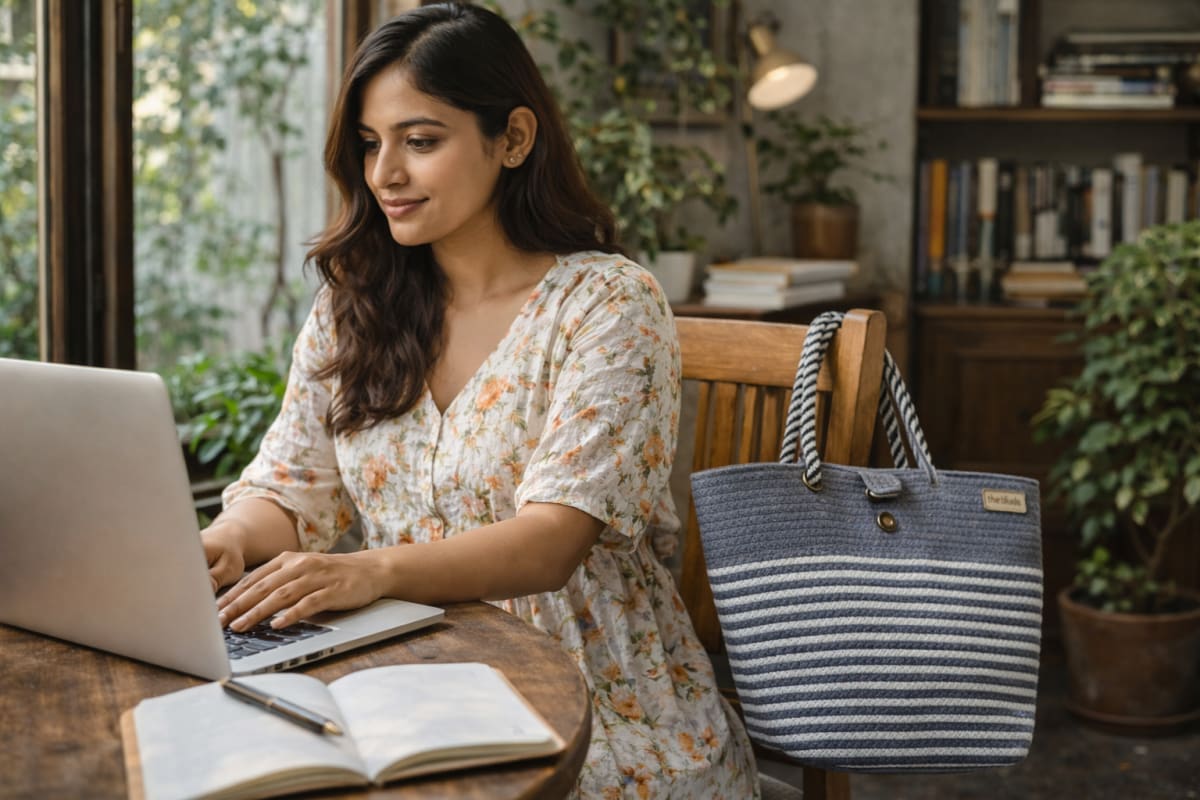
The bag becomes part of Nisha's life. It goes with her to work, to coffee shops, to weekend outings. It holds her essentials, but it also holds something more—a connection. A reminder of the hands that made it, the craft it represents, the choice she made.
But here's what's beautiful: the journey doesn't stop there either.
When Nisha carries the bag, people notice. They ask about it. They want to know where it came from. And Nisha tells them. About Lakshmi. About the craft. About choosing differently. The story continues.
The journey from rural hands to urban hearts isn't just about a bag moving from one place to another. It's about connection. About bridging gaps. About honoring tradition while embracing modernity.
It's about recognizing that beautiful things can come from unexpected places. That skill isn't limited to urban centers. That craft matters, wherever it happens.
It's about understanding that when we choose handmade, we're not just choosing a product. We're choosing to support a craft. To honor tradition. To connect with people we might never meet, but whose work enriches our lives.
The journey is also about time. In a world that moves fast, the handmade bag represents something slower. Something more thoughtful. Something that takes time because time is what makes it special.
Lakshmi spent hours on that bag. Hours that could have been spent elsewhere. But she chose to spend them creating something beautiful. Something lasting. Something that would carry someone's essentials, yes, but also carry meaning.
And Nisha, when she chose that bag, she was also choosing to slow down. To think about her purchases. To consider not just what she wanted, but what mattered. To choose quality over quantity, meaning over marketing.
The journey isn't always easy. Handmade items cost more. They take longer to produce. They're not always available immediately. But here's the thing: the difficulty is part of the value.
When something is easy to make, easy to get, easy to replace, it's also easy to discard. But when something takes time, takes skill, takes care, it becomes precious. It becomes something worth keeping.
The journey from rural hands to urban hearts is happening more and more. As awareness grows, as values shift, as people choose differently, more handmade items are making this journey.
But each journey is unique. Each bag carries with it the story of its making. The hands that created it. The craft it represents. The choice it represents.
And when that bag reaches its new home, when it becomes part of someone's life, the journey continues. Because now it's collecting new stories. The stories of the person who carries it. The moments it witnesses. The life it becomes part of.
Lakshmi will probably never meet Nisha. They live in different worlds, speak different languages, lead different lives. But through this bag, they're connected. Lakshmi's skill, her care, her craft—it all lives on in the bag Nisha carries.
And Nisha, every time she picks up that bag, she's honoring that connection. She's acknowledging the craft. She's choosing to support it. She's becoming part of the story.
The journey from rural hands to urban hearts is more than a physical journey. It's a journey of values, of connection, of meaning. It's a journey that honors tradition while embracing change. That bridges worlds. That connects hearts.
And honestly? We need more journeys like this. More connections. More bridges. More reminders that in a world that sometimes feels divided, we're all connected. Through craft. Through beauty. Through the choices we make.
So the next time you pick up something handmade, take a moment. Think about the journey it's been on. The hands that made it. The craft it represents. The choice you're making.
Because that journey? That connection? That's what makes it special. That's what makes it matter. That's what makes it more than just a bag.
Love the story? Explore TheTidbit’s signature handmade jute bags — each crafted with the same care.
More Stories

The Future of Corporate Merchandise: Why Top Brands are Switching to Sustainable Jute Bags
Looking for premium, eco-friendly corporate gifting in Bangalore or across India? Get customized, handcrafted bulk jute bags with your company branding.
5 Aesthetic Office Tote Bags That Will Survive Your Daily Metro Commute
Looking for durable, aesthetic office tote bags in Delhi-NCR, Mumbai, or Pune? Discover handcrafted, spacious jute tote bags with rope handles perfect for work.
College Fashion on a Budget: 5 Trendy Sling Bags Under ₹500
Looking for the perfect college bags for girls in Delhi-NCR, Lucknow, or Mumbai? Check out these trendy, affordable, handcrafted jute sling bags under ₹500.